
What is pool automation?
Pool automation is a control system that runs your pump, heater, lights, water features and valves from one interface, usually a phone app or a wall panel. It replaces a wall of timers and manual valves with scheduled, remote control of the whole pool.
That is the short version. The longer version is that automation is the difference between a pool you operate and a pool that operates itself. On a custom build it is not an accessory bolted on at the end. It is designed into the plumbing and the electrical at drawing stage, because the valves it needs to turn have to be actuated valves, and the circuits it needs to switch have to be run to the right place.
Southern Pool Designs has been building custom pools in Central Florida since 1997, with over $100M built and in house engineering on every project. Automation is part of that engineering conversation, not a line item added after the shell is poured.
What does pool automation control?
A modern pool automation system controls filtration, heating, sanitization, lighting, water features and spa changeover. Most systems handle six to twelve circuits on a residential pool, and every one of them can be scheduled, grouped into scenes, or triggered from a phone.
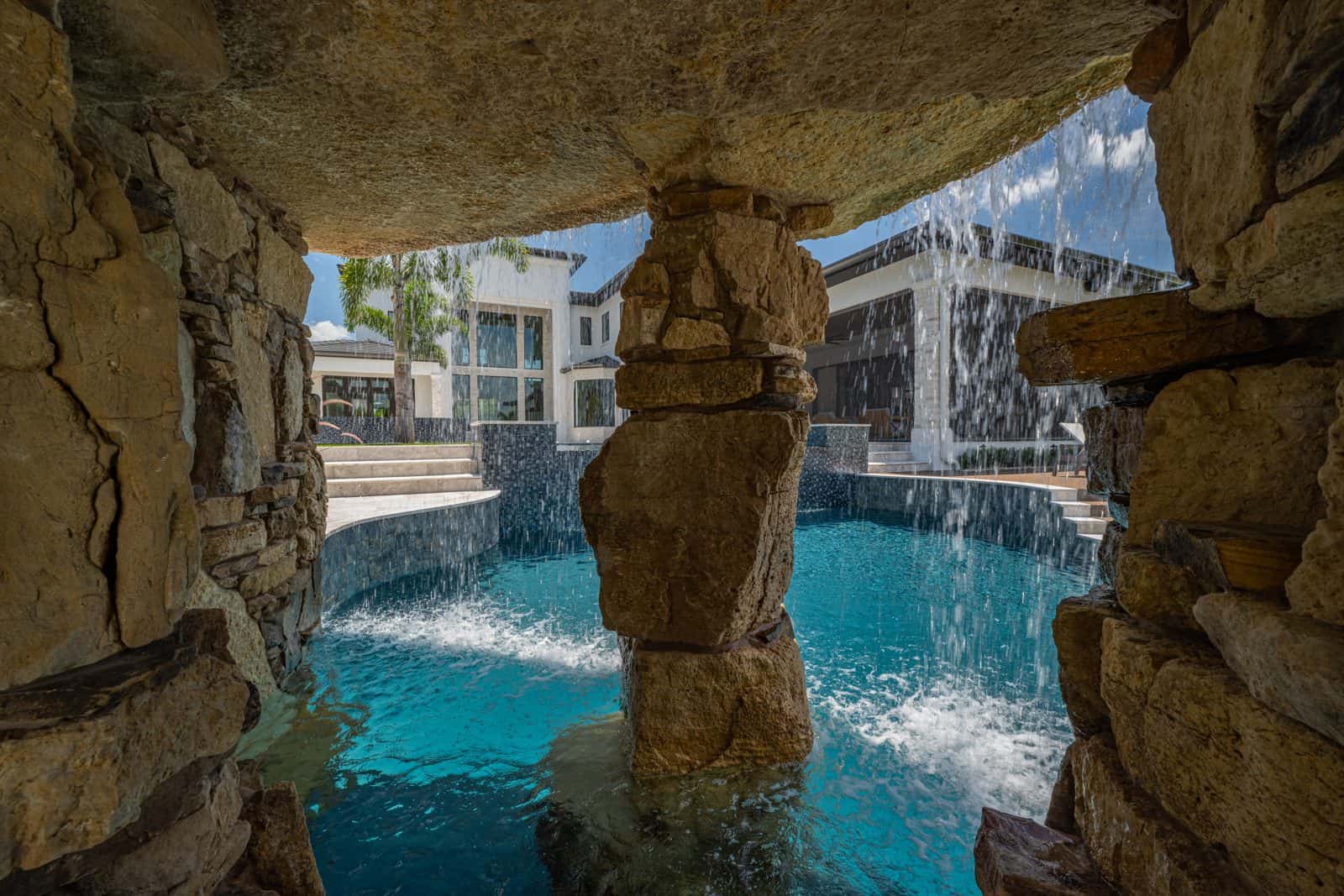
In practice the control list on a luxury build looks like this.
Filtration and circulation. The pump is the core of it. A variable speed pump under automation runs slow for long filtration cycles and ramps up only when a feature needs pressure. This is where most of the energy saving lives, because pump power draw rises sharply with speed.
Heating. Gas heaters and heat pumps both take automation control. The system holds a setpoint, and on a pool and spa combination it manages the changeover so the spa comes up to temperature while the pool sits idle.
Sanitization. Salt chlorine generators report cell output and salt level back to the panel. Chemical automation goes further and doses acid or chlorine against a live pH and ORP reading.
Lighting. Colour LED lighting is where automation earns its keep visually. Scenes set the pool, the spa, the pool lighting in the deck and the landscape together, so one tap changes the whole backyard rather than four switches in three locations.
Water features and valves. Actuated valves let the system send flow to a spillway, a sheet fall or a grotto without anyone touching a handle. If the build carries water features, automation is what makes them usable on a Tuesday night instead of only when someone remembers how the valves are set.
Spa changeover. On a pool and spa build this is the single most used automation function. One button moves the system from pool mode to spa mode, closes the pool returns, fires the heater and starts the blower.
How much does pool automation cost in Central Florida?
Pool automation runs roughly $1,500 to $4,000 installed for a standard residential system, and $5,000 to $12,000 for a full luxury configuration with chemical automation, multiple actuated valves and integrated lighting control. The variable is circuit count, not brand.
The number moves on four things.
| Cost driver | What it means | Effect on price |
|---|---|---|
| Circuit count | How many things get switched: pump, heater, lights, features, valves | Largest single driver |
| Actuated valves | Each motorized valve replaces a manual handle | Adds per valve |
| Chemical automation | Live pH and ORP dosing rather than a salt cell alone | Adds meaningfully |
| Integration scope | Landscape lighting, outdoor audio, fire features on the same system | Adds, and needs planning early |
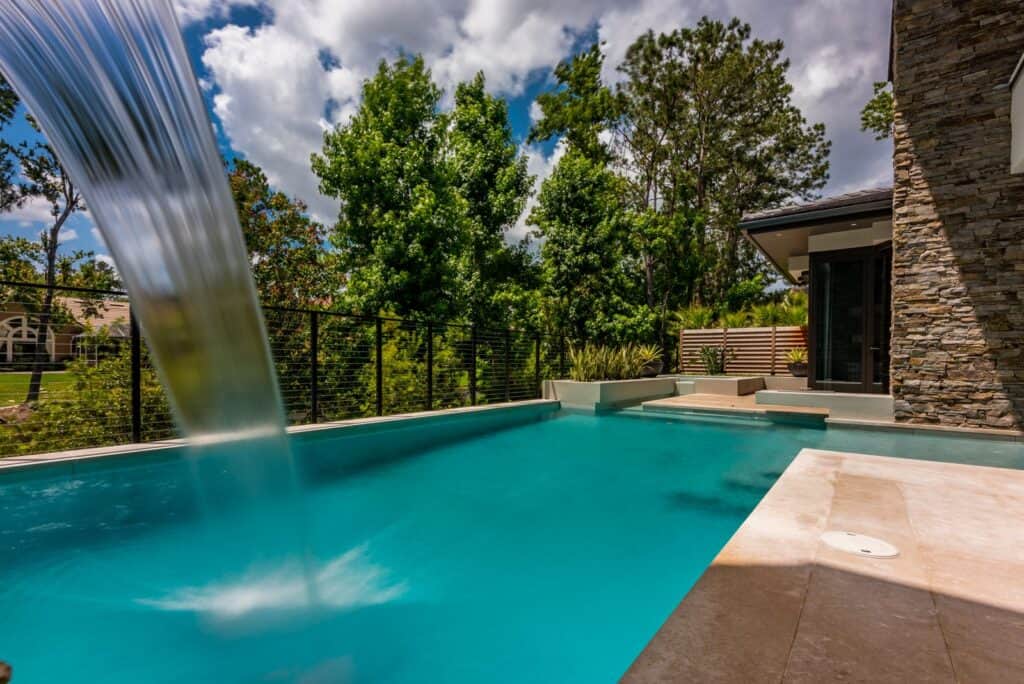
Two points worth being direct about. First, retrofitting is more expensive than building it in, because someone has to open up plumbing and pull new conduit that would have cost very little at rough in. Second, the pump matters more than the panel. A variable speed pump under automation is where the operating cost drops. The US Environmental Protection Agency’s ENERGY STAR programme certifies pool pumps specifically on this basis, and the efficiency gap between a certified variable speed pump and a single speed unit is the largest energy decision in the whole equipment pad.
For where automation sits inside a full project budget, see what a custom luxury pool costs in Central Florida.
Is pool automation worth it?
Pool automation is worth it on any pool with a heater, a spa, colour lighting or water features, because those are the systems people stop using when operating them is inconvenient. On a simple rectangular pool with a single pump and no features, the case is weaker.
The honest test is how many things the pool does. A pool with one pump and one light does not need a control system. A pool with a spa, a spillway, a sun shelf bubbler, colour lighting and a heater has five things that need coordinating, and without automation most owners settle into using two of them.
There is a maintenance argument as well. Consistent, scheduled filtration keeps water chemistry more stable than ad hoc running, which reduces the chemical swings that damage surfaces and equipment over time. The Pool and Hot Tub Alliance publishes the circulation and water quality standards the industry builds to, and consistent turnover is central to all of them.
What automation does not do is replace service. It will tell you the salt cell is low. It will not clean the filter.
Which pool automation system is best?
The three systems that dominate residential pool automation are Pentair IntelliCenter, Hayward OmniLogic and Jandy iAquaLink. All three are capable. The right one is usually decided by which equipment is already on the pad, because control systems and equipment integrate best within a brand family.
Matching the panel to the pad matters more than the feature comparison. A Pentair system talking to Pentair pumps and heaters over their own communication protocol gives fuller reporting than a mixed pad running everything on relays. Relay control works. It just means the panel is switching things on and off rather than talking to them.
The questions worth asking before choosing:
- How many circuits does the build actually need, including future ones
- Does it support the specific pump and heater being installed, natively
- Does it handle landscape lighting and outdoor audio if those are in scope
- Is the app stable, and does it work away from the house rather than on local wifi only
- Who services it locally
That last one is not a footnote. A control system nobody within an hour can service is a bad system regardless of the spec sheet.
Can pool automation be added to an existing pool?
Yes. Pool automation can be retrofitted to almost any existing pool, but the cost depends on what has to be opened up. Swapping the panel and pump is straightforward. Adding actuated valves and new lighting circuits means plumbing and conduit work.
A realistic retrofit sequence runs in this order. Replace the pump with a variable speed unit, because that pays for itself. Add the control panel and get filtration, heat and lighting under schedule. Add actuated valves for spa changeover and features, which is the expensive step because it is physical work at the pad. Add chemical automation last, since it is the least essential and the most maintenance sensitive.
Older pools sometimes surface a problem worth knowing about early. Pools built before current barrier and safety requirements may need other work brought up to standard at the same time. The Florida Department of Health swimming pool programme sets the barrier and safety rules that apply, and it is worth confirming where a pool stands before spending on controls.
How pool automation is designed into a custom build
On a custom build, pool automation is specified at design stage, before the plumbing is laid out. The equipment pad is drawn around the circuit count, conduit is run for every controlled circuit, and every valve that automation will operate is installed as an actuated valve from day one.
That sequencing is the whole advantage of building it in. Nothing gets opened up later. The pad is laid out so the panel is reachable and serviceable rather than wedged behind a heater. Conduit is run to the deck lighting, the landscape lighting and the fire features while the ground is still open.
It also means the scenes get designed alongside the pool rather than programmed by whoever happens to be on site at handover. The lighting scene that makes a vanishing edge read at night is a design decision, not a technician’s default.
This is the kind of coordination that shows up in custom luxury pool design and construction when engineering and build sit under one roof. Southern Pool Designs holds a 5.0 rating, sits in the top 4 percent of Florida contractors, and was recognised with a 2025 design award by the Florida Swimming Pool Association, the body that sets the regional standard our work is judged against.
Every build starts with the design, and our guide to custom pool designs walks through the luxury features that shape the final result.
Frequently asked questions
Does pool automation save money? Yes, mostly through the pump. A variable speed pump under automated scheduling runs at low speed for long filtration cycles instead of full speed for short ones, and power draw falls sharply with speed. Heating schedules add further saving by holding temperature only when the pool is actually used.
Can I control my pool automation away from home? Yes. All three major systems offer remote control through a phone app over the internet, not just local wifi. That is what makes scheduling genuinely useful, since you can start heating a spa on the drive home or shut a feature down from anywhere.
How long does a pool automation system last? Control panels typically last eight to twelve years, and actuators and sensors are shorter lived at five to eight. The app and firmware side usually ages faster than the hardware, so check that the manufacturer still supports the generation being installed.
Does pool automation work with saltwater pools? Yes, and it works particularly well. Salt chlorine generators report cell output, salt level and cell life back to the control panel, so the system warns you before sanitization fails rather than after the water turns.
Do I need automation if my pool has no spa or water features? Probably not, beyond a variable speed pump with its own scheduling. Automation earns its cost by coordinating multiple systems. With a single pump and one light there is little to coordinate, and a good pump controller covers it.
Ready to talk specifics? Explore our pool automation and smart technology.